Programs
A three-stage program to build lasting psychological support for veterans in Ukraine.
Rising Sunflower Foundation's program roadmap is designed to move from evidence and planning to delivery and then to long-term sustainability, so psychological care is not temporary relief but an enduring system of support.
Stage 1: Research and findings, 2026
In 2026, our focus is research, consultation, and evidence gathering. We are mapping the psychological needs veterans face across combat exposure, injury, displacement, reintegration, and grief.
This stage is about identifying the strongest local partners, understanding existing gaps in care, and producing findings that can guide a practical, veteran-centered program rather than a generic response.
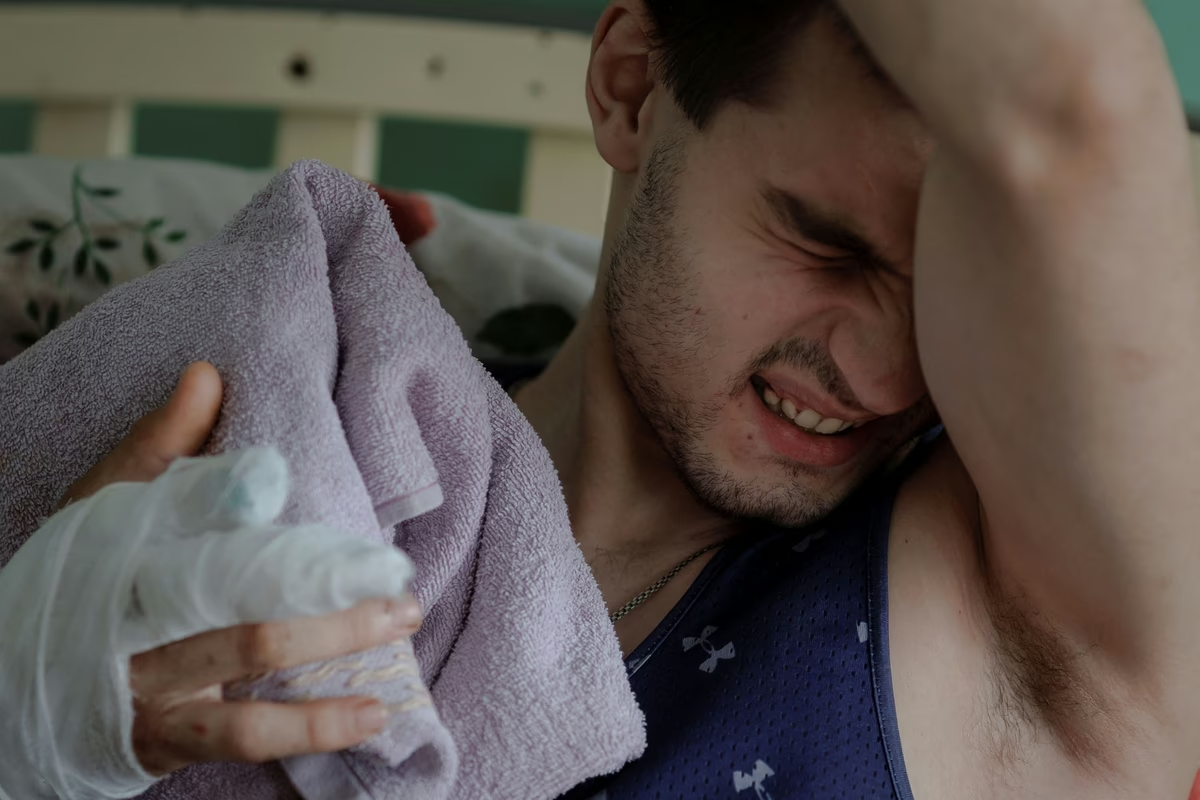
PTSD-focused support
A core part of the program is support for veterans living with symptoms of post-traumatic stress, including intrusive memories, sleep disruption, hypervigilance, avoidance, emotional numbness, and difficulty reconnecting with family or civilian life.
We aim to fund access to qualified, trauma-informed clinicians who can provide careful assessment, stabilization, psychoeducation, and referral into evidence-based care pathways such as trauma-focused cognitive behavioral therapy, cognitive processing therapy, prolonged exposure therapy, or EMDR when appropriate.
The PTSD component will also consider peer support, family education, crisis planning, and follow-up care, because recovery is rarely a single appointment. The goal is to help veterans feel safer, reduce isolation, and build a practical path toward long-term stability.
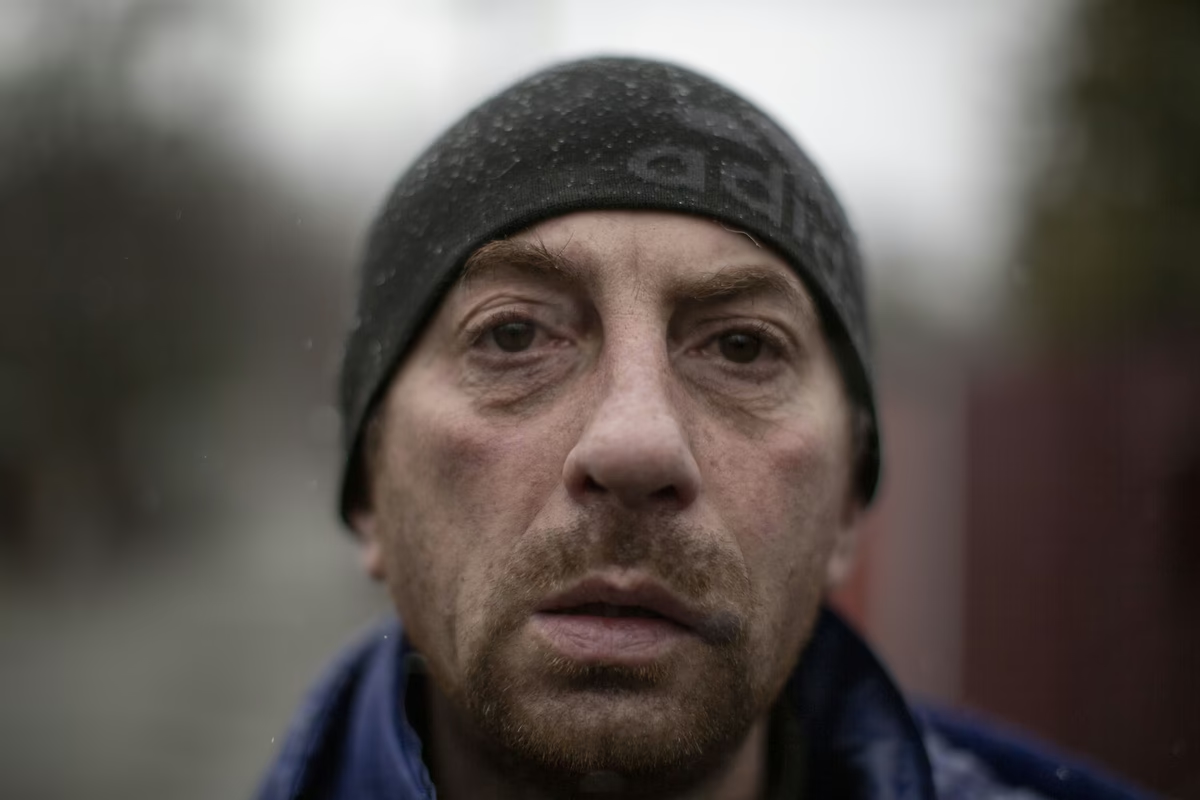
Stage 2: Initiate the program, 2027
In 2027, we will begin implementation by launching the first phase of the program to bring sustaining psychological aid to soldiers and veterans in Ukraine.
This stage focuses on starting real delivery: funding counseling access, trauma-informed support, psychological first aid, and peer-based recovery pathways that veterans can use immediately and consistently.

Stage 3: Scale and sustain
After launch, the next stage is to strengthen the program so it lasts. That means expanding reach, improving continuity of care, and building a model that can keep supporting veterans beyond a single campaign cycle.
The goal is long-term resilience: a support structure that grows with need, stays locally grounded, and gives veterans access to meaningful psychological care over time, not just in moments of crisis.